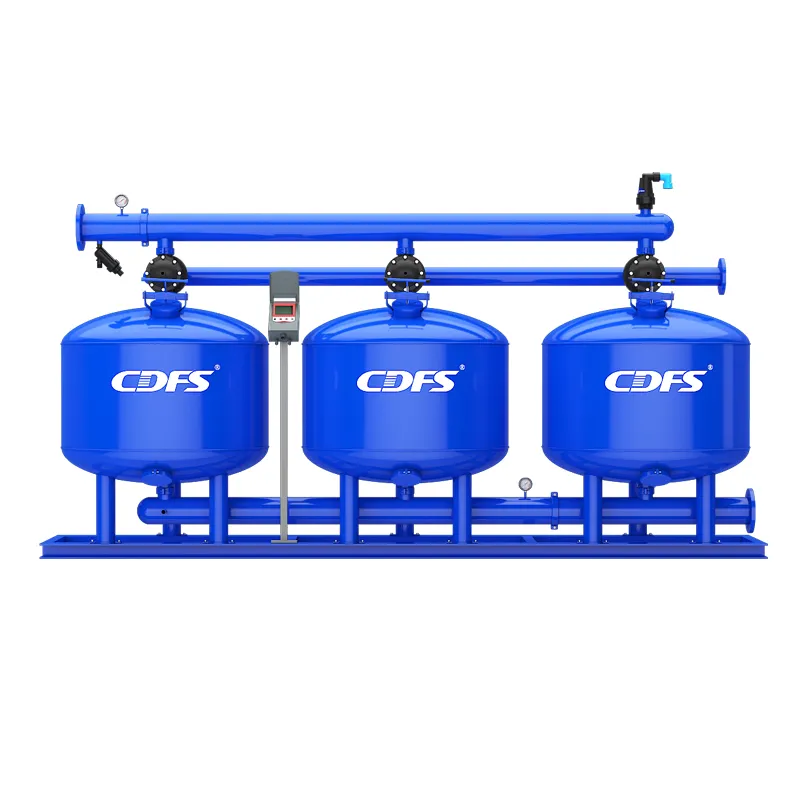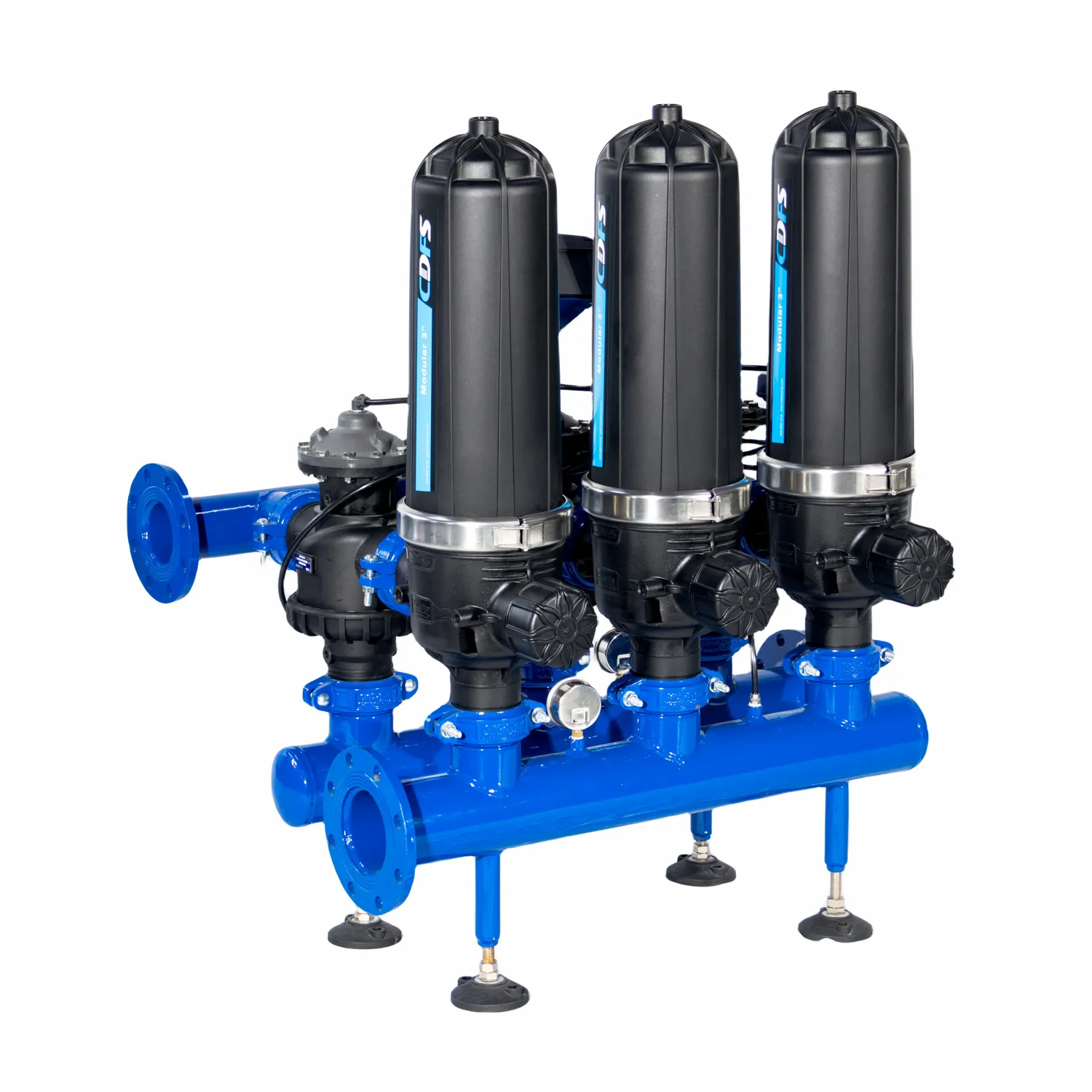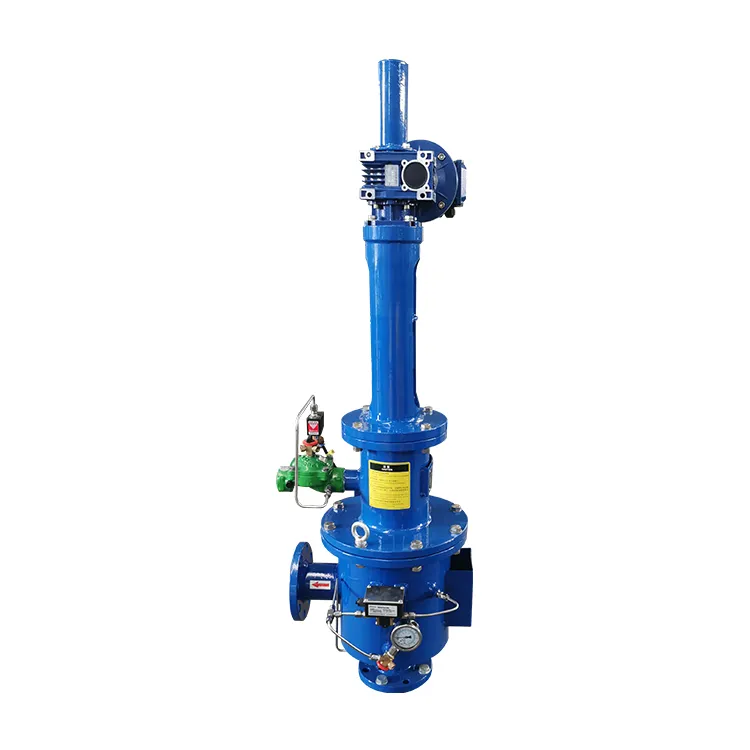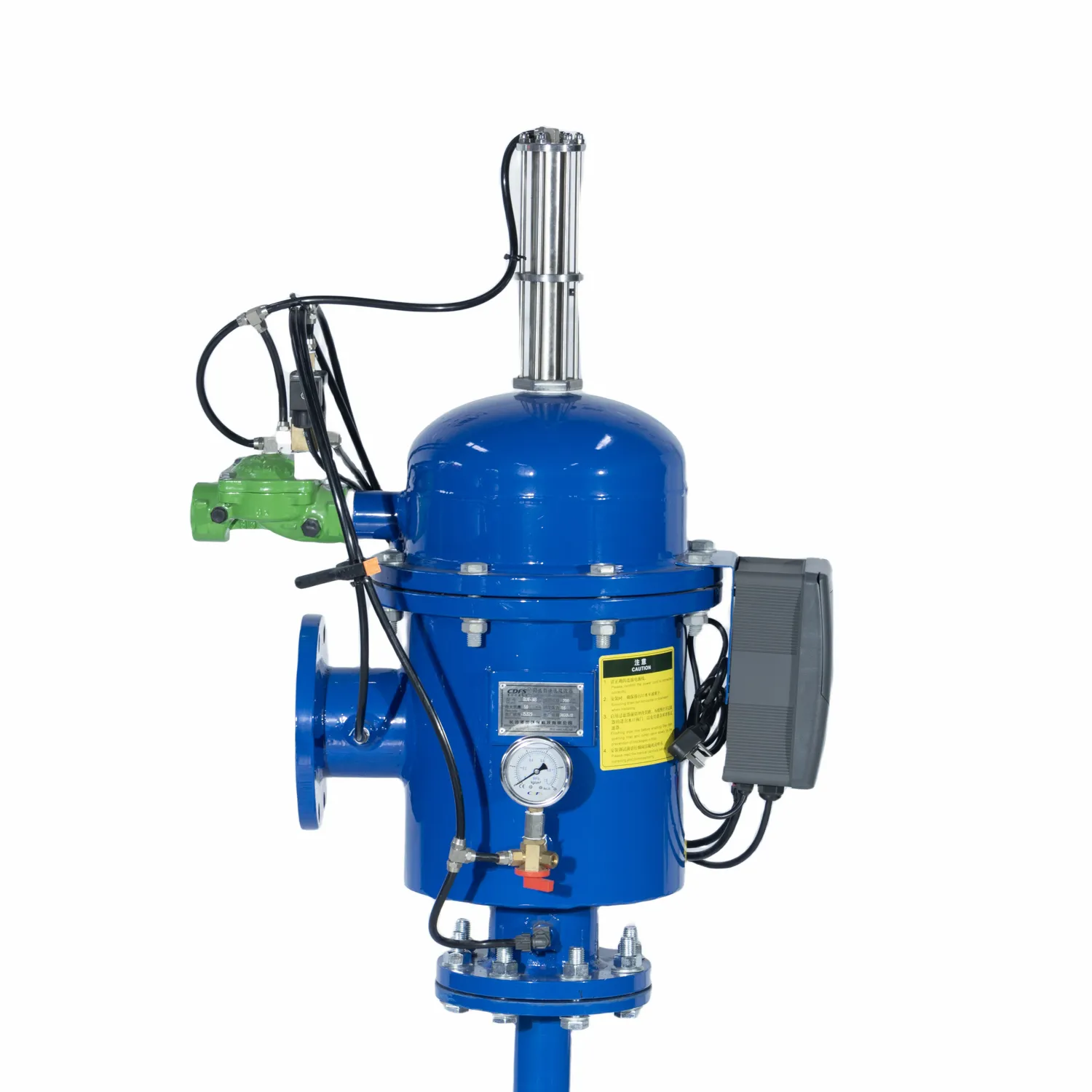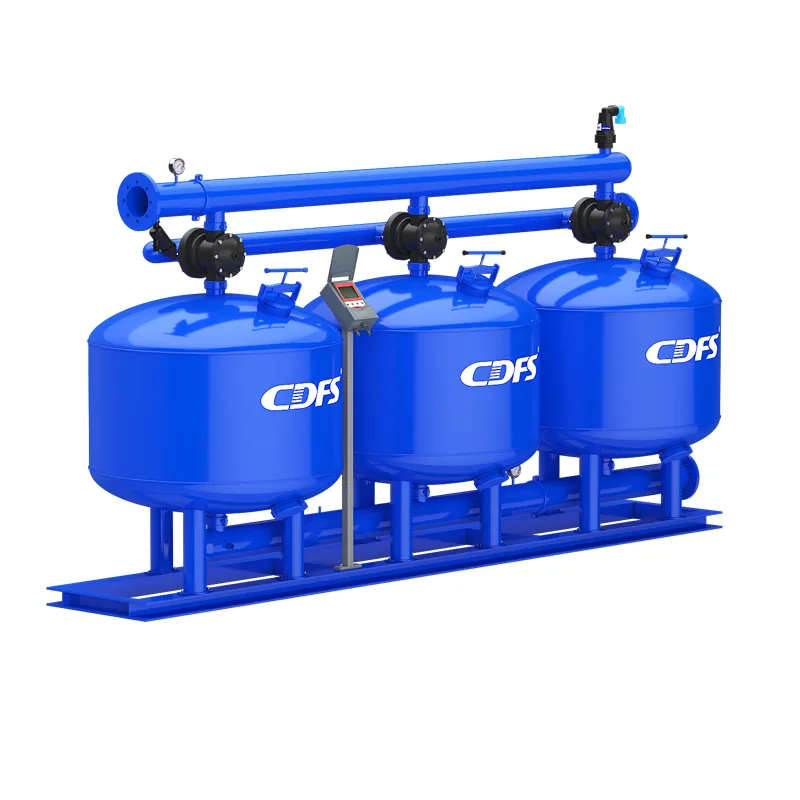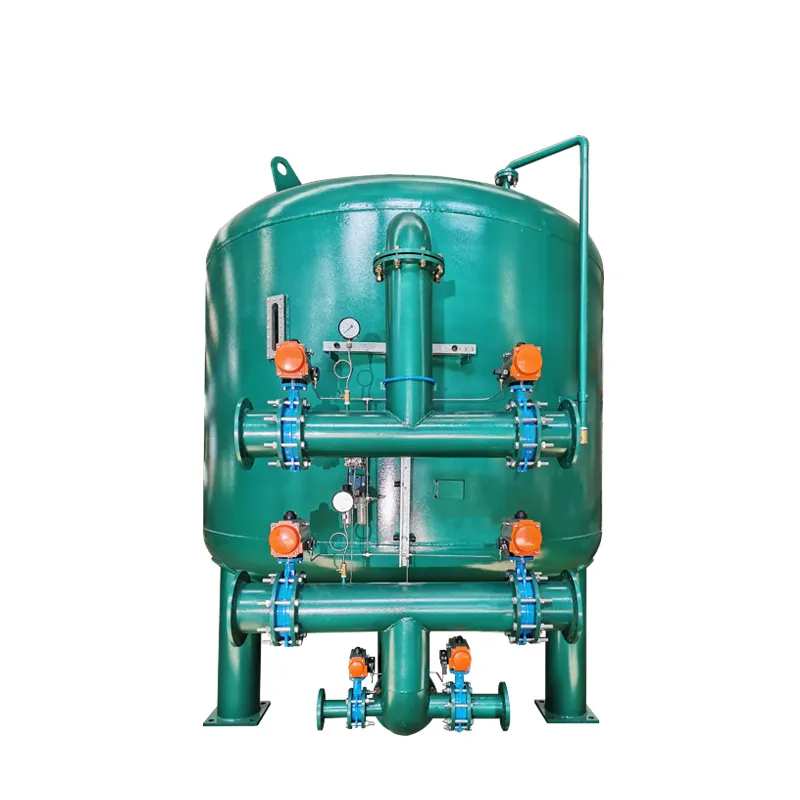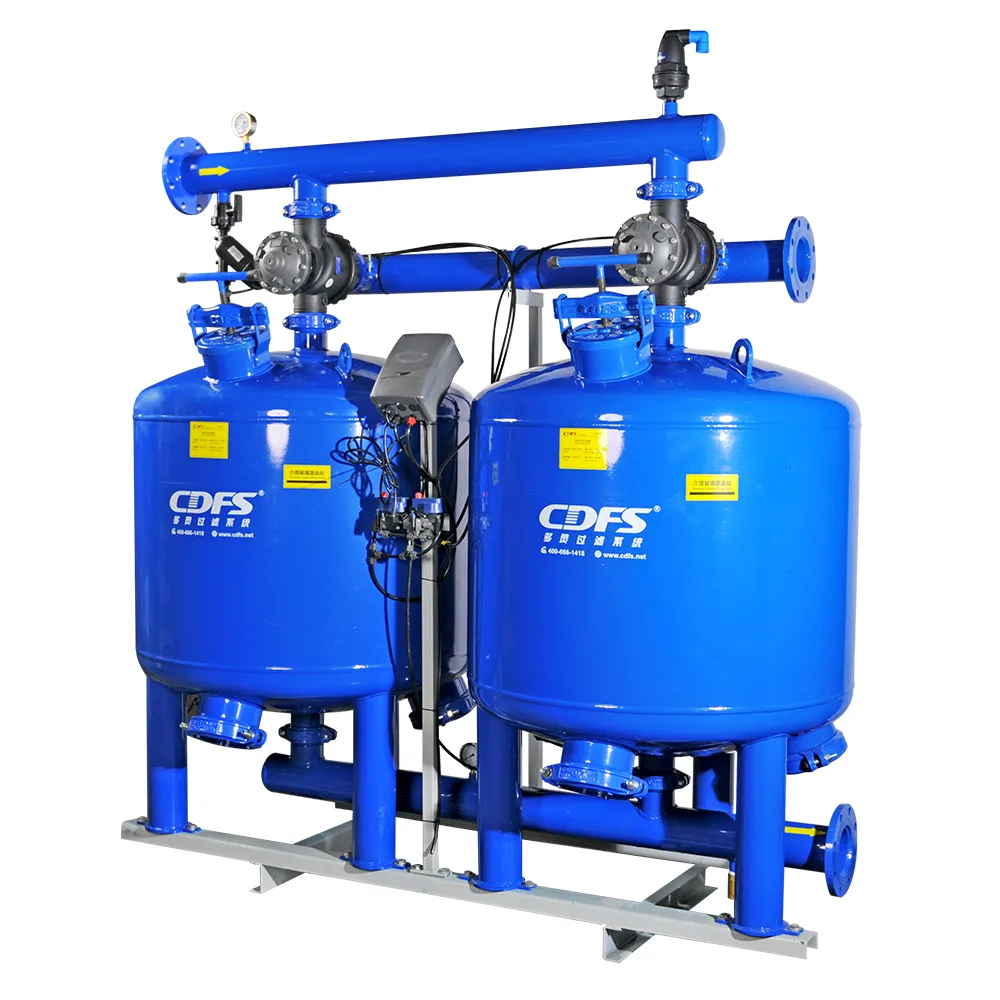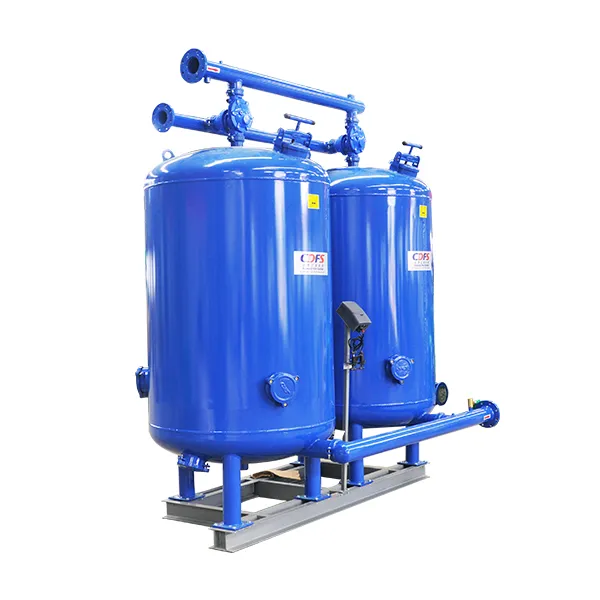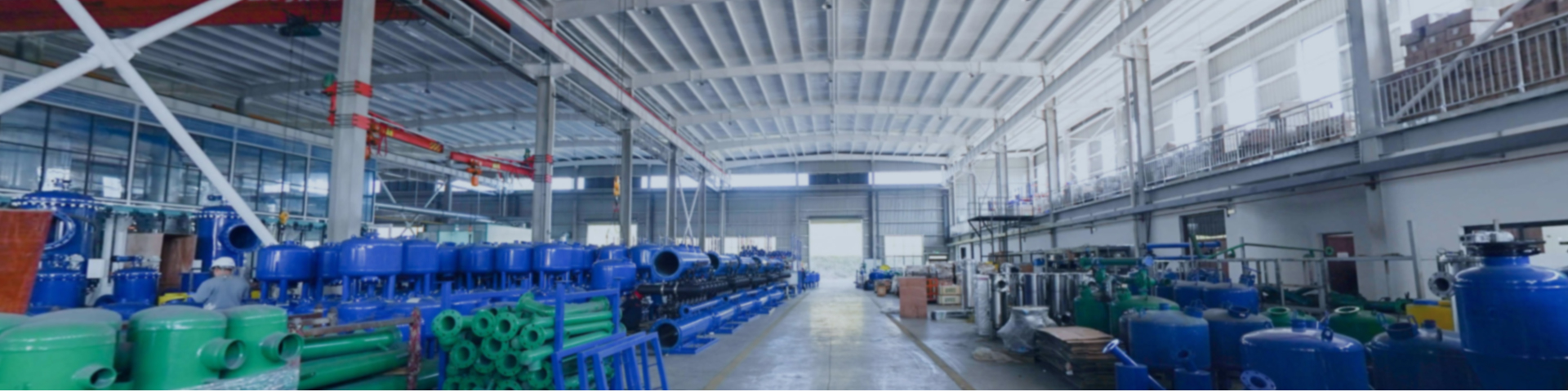
filtration system for irrigation improve system efficiency by maintaining optimal water pressure and flow rates. By removing sand, silt, and organic matter before they reach irrigation lines, they prevent wear and tear on components and eliminate unnecessary pressure drops. This ensures efficient energy use, lowers pumping costs, and extends the service life of the entire irrigation system.
Maintenance of filtration system for irrigation is streamlined through features such as quick-release filter elements and tool-free access panels. These design considerations minimize labor requirements and system downtime, allowing farmers and technicians to perform regular upkeep swiftly and keep irrigation running smoothly during critical planting and harvesting periods.
Q: What role does media size and layering play in the efficiency of irrigation filter? A: The size and layering of media within irrigation filter are critical for optimizing filtration. Larger media particles on top allow for effective removal of bigger debris, while finer particles below capture smaller suspended solids, resulting in comprehensive water purification. Q: How do irrigation filter compare to other filtration systems in terms of cost and maintenance? A: Irrigation filter generally offer a cost-effective solution with moderate maintenance requirements. Their backwashable design reduces the need for frequent media replacement, and their simplicity makes them easier to operate compared to more complex filtration technologies. Q: Are irrigation filter suitable for removing biological contaminants? A: While primarily designed to remove suspended solids, irrigation filter may also reduce some microorganisms attached to particles; however, biological treatment processes such as chlorination or UV treatment are usually required for thorough pathogen removal. Q: What operational parameters are important to monitor in irrigation filter? A: Key parameters include flow rate, pressure differential across the filter bed, and backwash frequency. Monitoring these helps maintain optimal filtration efficiency and prevents damage or clogging in the system. Q: How does water temperature affect the performance of irrigation filter? A: Water temperature can influence filtration efficiency and backwashing effectiveness. Extremely cold water may slow filtration rates and biological activity, while higher temperatures may increase rates but also affect media stability over time. Proper design accounts for expected temperature ranges.
Excellent multi-layer filtration system. It keeps the irrigation water clear and soft, which has greatly reduced issues with clogged emitters.
Very effective at removing impurities between 50-500 microns. The water flow remains consistent, and the filter is easy to operate with minimal downtime.
To protect the privacy of our buyers, only public service email domains like Gmail, Yahoo, and MSN will be displayed. Additionally, only a limited portion of the inquiry content will be shown.
Interested in a compact disc filter with low maintenance for greenhouse irrigation. Please share pro...
Please send price and datasheet for your automatic screen filter, 50–100 m³/h range, mesh <150 mi...



 EN
EN
 FR
FR
 NL
NL
 RU
RU
 AR
AR
 VI
VI
 LO
LO
 RO
RO
 TH
TH
 MY
MY
 MS
MS
 PT
PT
 ES
ES
 KO
KO
 BE
BE
 JA
JA
 FIL
FIL
 KA
KA
 DE
DE
 IT
IT