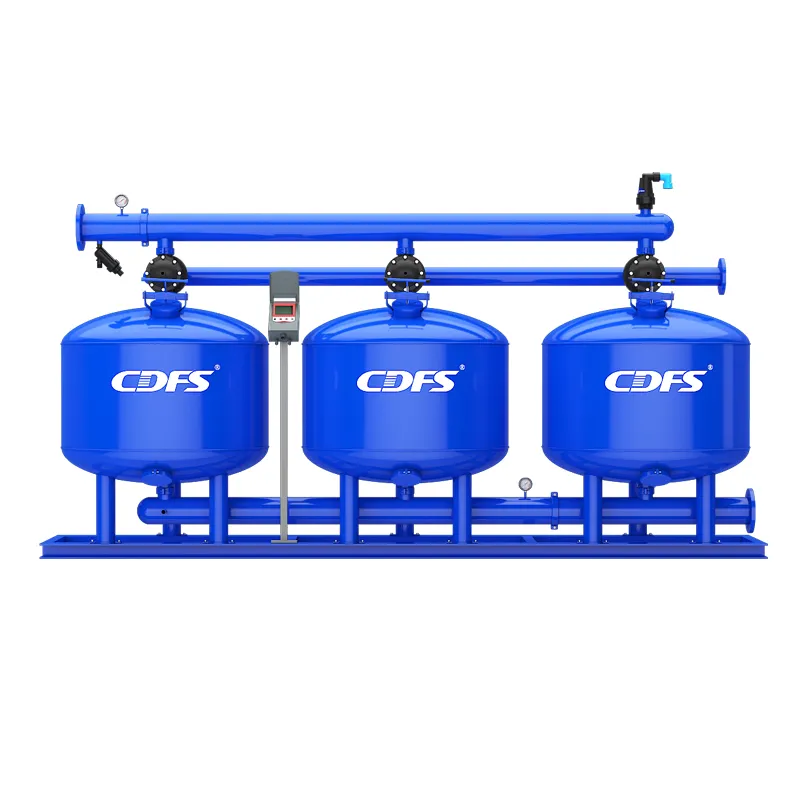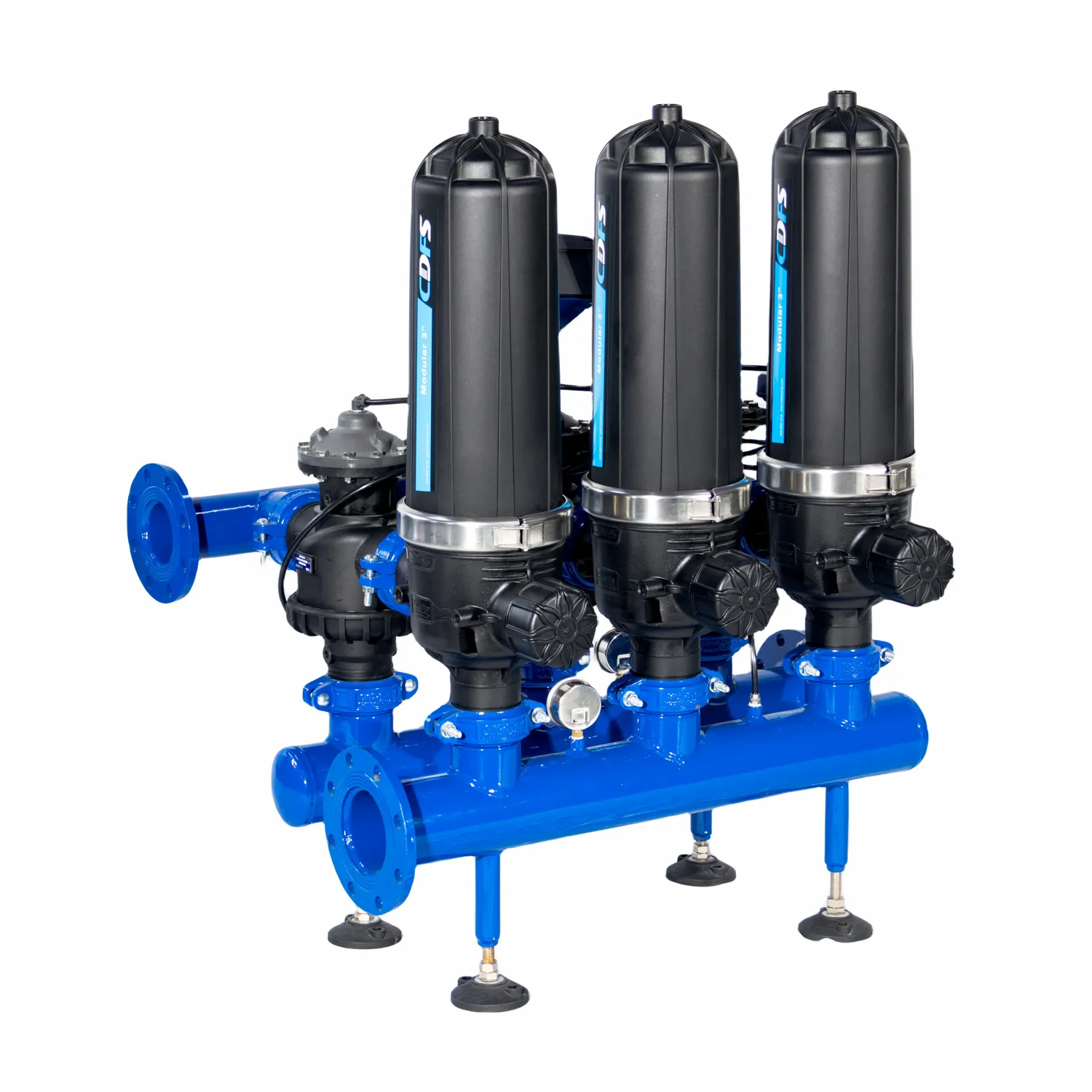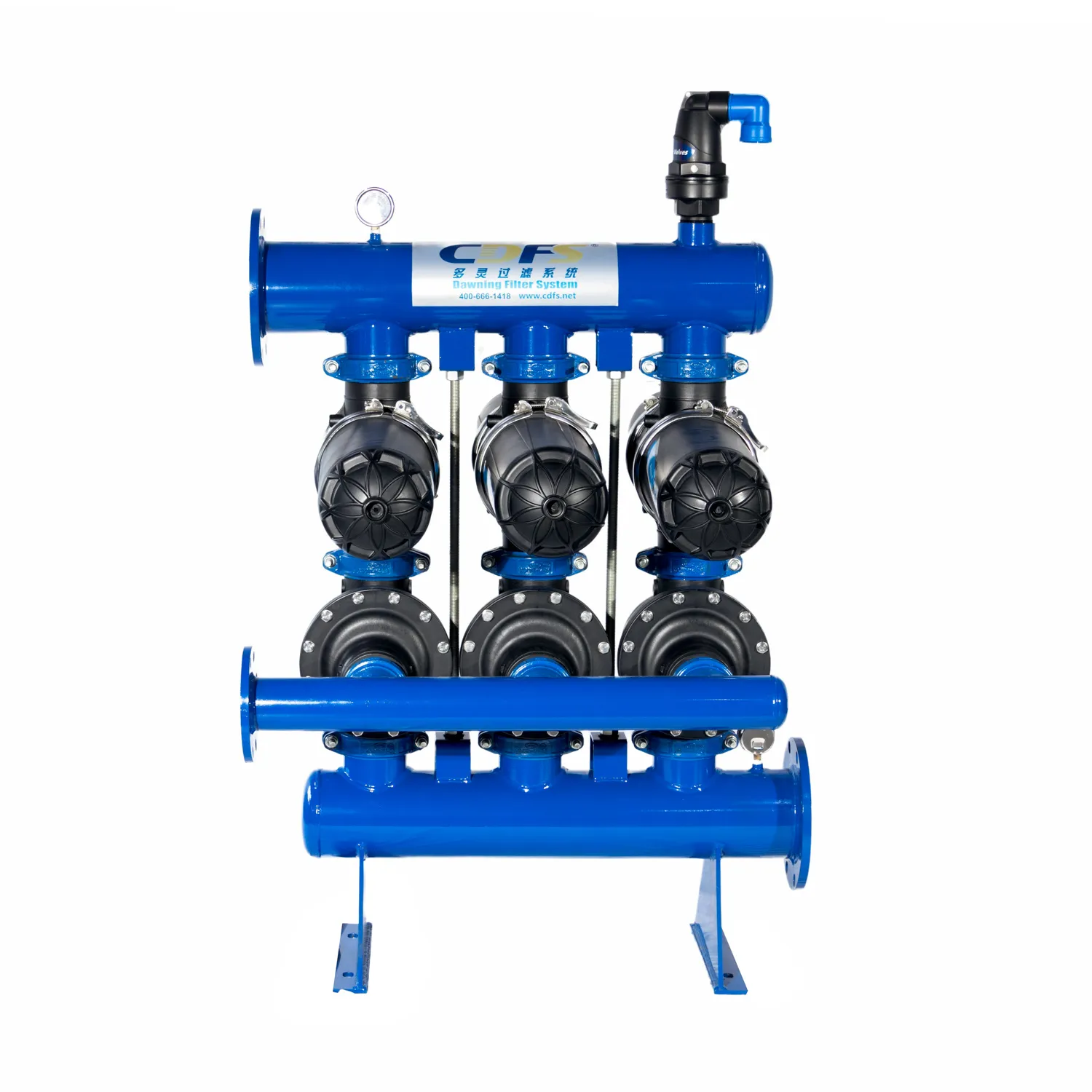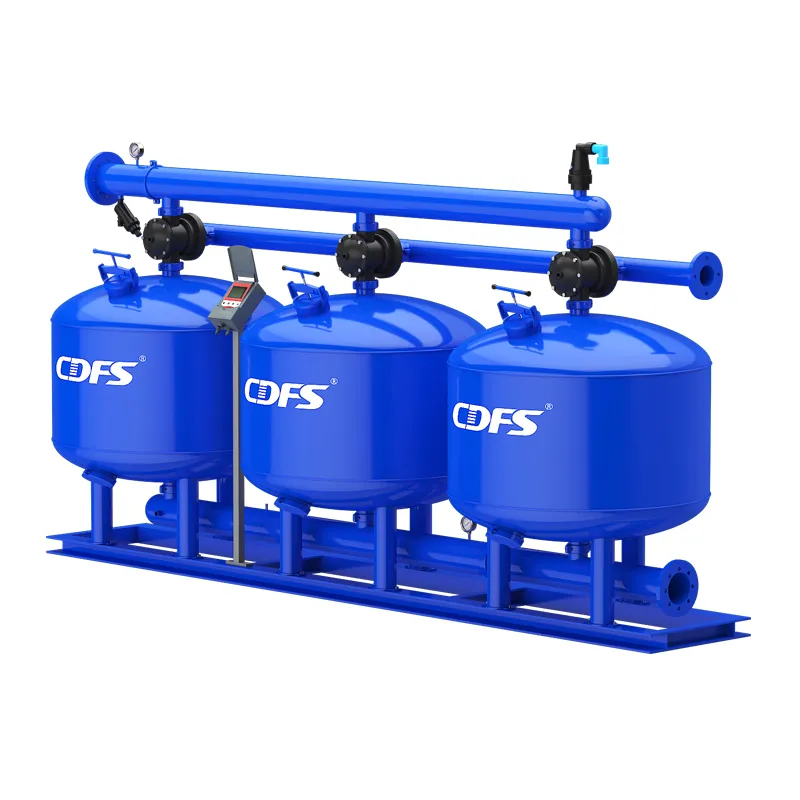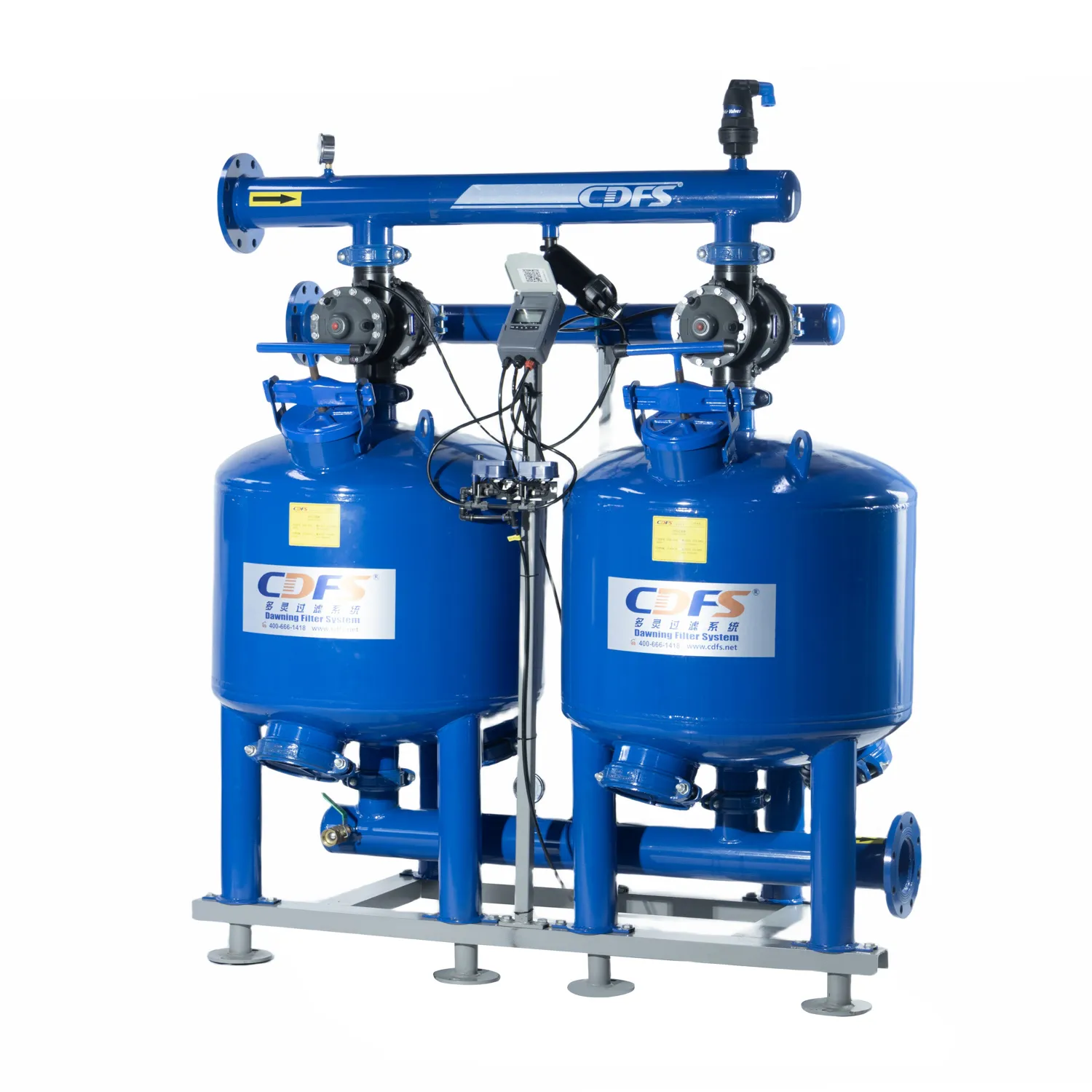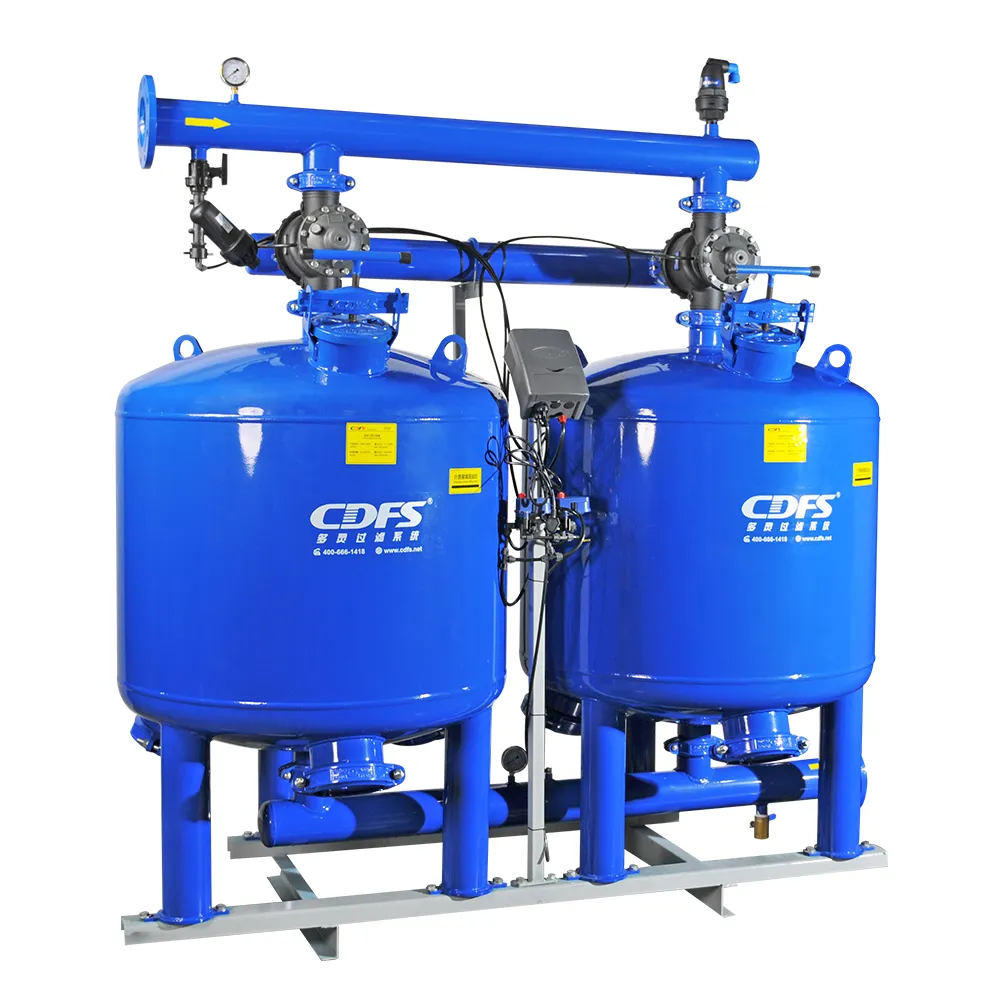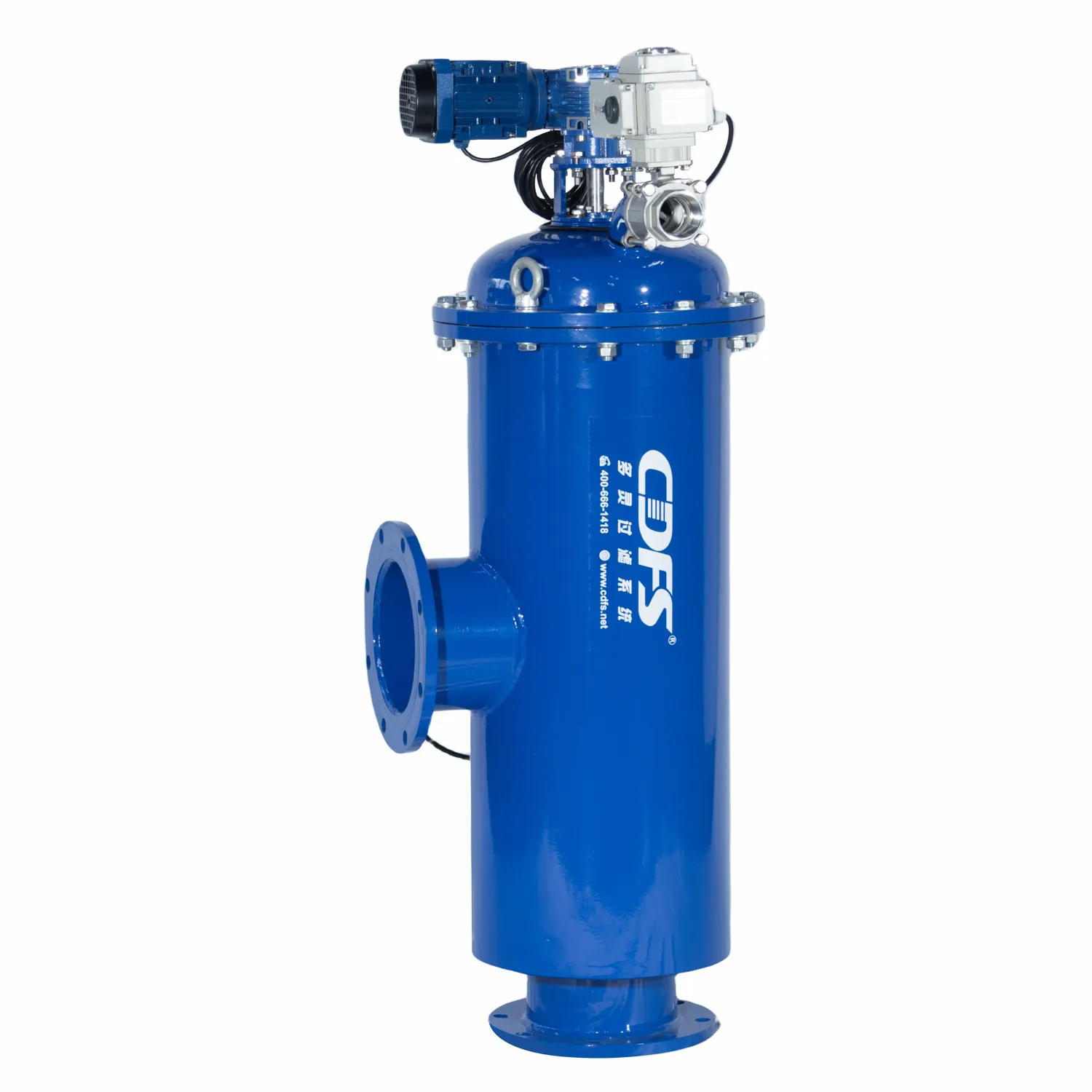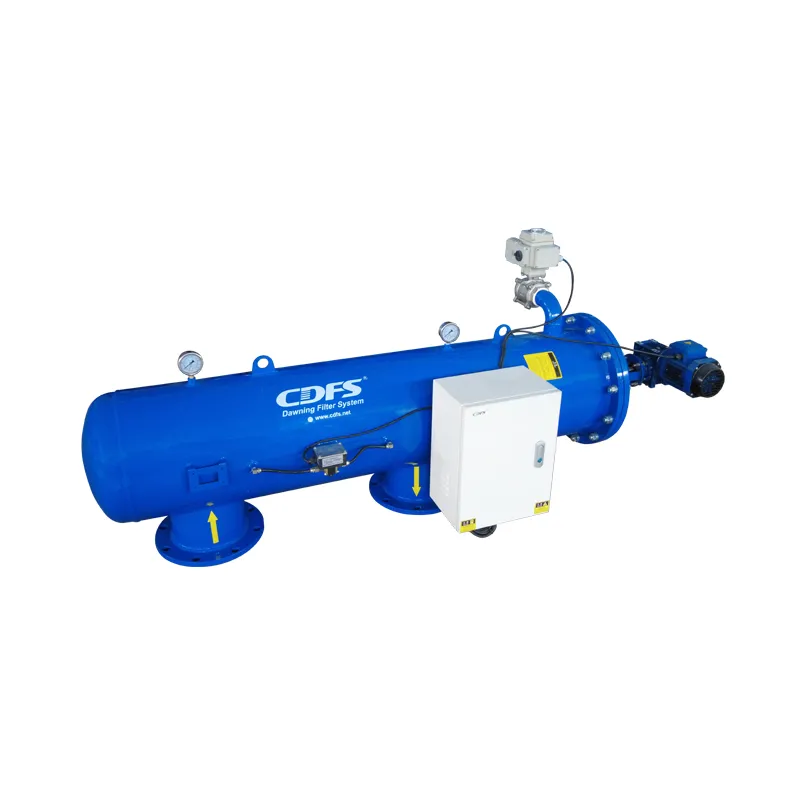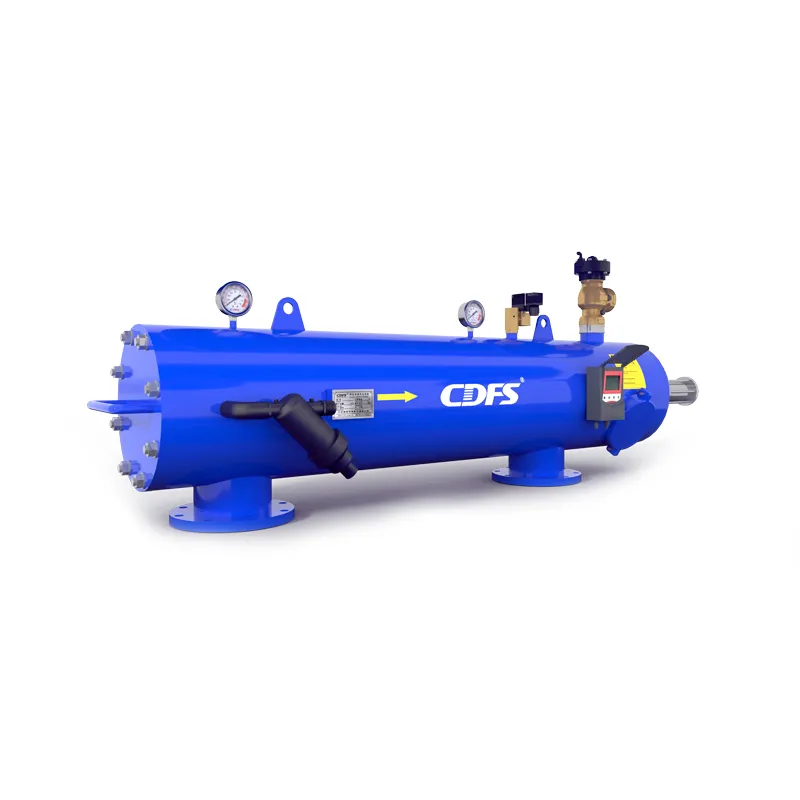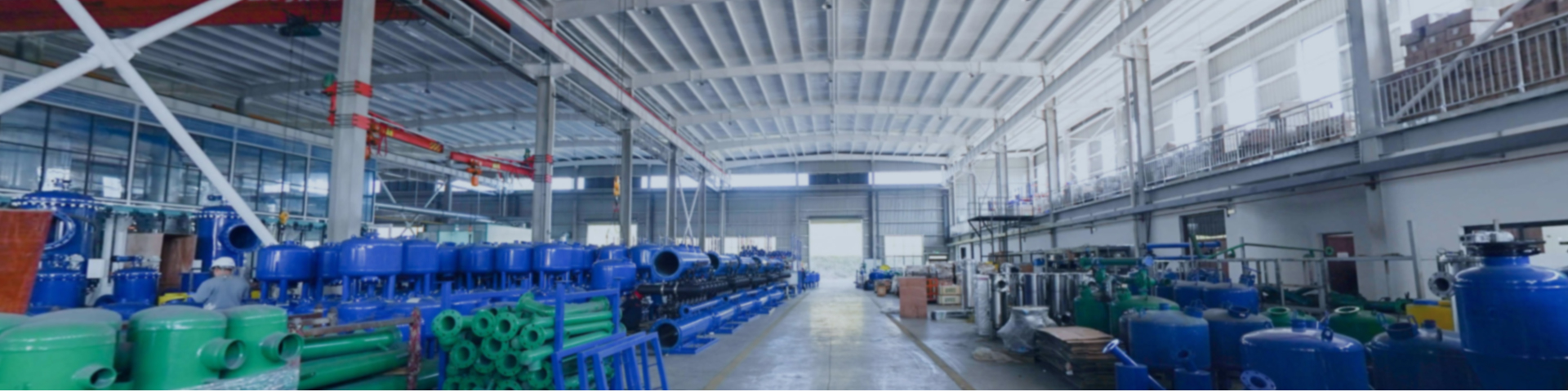
The advantage of a electric filtration screen unit factory lies in its ability to produce high volumes of automatic screen filters while maintaining strict quality standards. Factories employ standardized procedures and quality checkpoints at every stage of production. This industrial approach allows for scalability without sacrificing product integrity. Customers relying on automatic screen filters from such factories can expect uniform performance across multiple units, essential for large-scale agricultural operations.
The assembly process in a electric filtration screen unit factory combines automated robotics with manual inspection to achieve optimal filter performance. After individual components like screen cylinders, motors, and valves are produced, they are carefully assembled and tested for mechanical alignment and responsiveness. The factory’s hybrid approach balances efficiency with accuracy, reducing production errors. This results in automatic screen filters capable of smooth operation and consistent self-cleaning cycles, essential for minimizing maintenance.
Q: How does the design of Automatic screen filter factory contribute to energy efficiency in filtration systems? A: The design of an Automatic screen filter factory incorporates low-resistance screen meshes and optimized flow paths, which reduce pressure drops across the filter. This minimizes the energy required to pump water through, leading to more efficient system operation overall. Q: What role does automation play in the reliability of Automatic screen filter factory? A: Automation in an Automatic screen filter factory enables continuous monitoring of filter status and initiates cleaning cycles as needed. This reduces the risk of clogging and ensures steady water flow, which improves system reliability and reduces unexpected downtime. Q: Can Automatic screen filter factory be integrated with smart irrigation or water management systems? A: Yes, many Automatic screen filter factories design filters to be compatible with modern smart systems. They can be equipped with sensors and controllers that allow remote monitoring and adjustment of filter operation to optimize water use and maintenance schedules. Q: What materials are typically used in the screen elements manufactured by Automatic screen filter factory? A: Screen elements produced by an Automatic screen filter factory commonly use stainless steel due to its strength, corrosion resistance, and durability. In some cases, high-strength polymer screens are used for lighter-weight or chemically sensitive applications. Q: How does the backwash process work in filters from an Automatic screen filter factory? A: The backwash process reverses the flow or uses suction nozzles to remove trapped particles from the screen surface. This automatic cleaning process is controlled by timers or pressure sensors, maintaining filter efficiency without manual intervention.
The multi-grade filtration is impressive. It effectively protects our irrigation pumps and improves water absorption by the plants.
Highly cost-efficient filter with layered quartz and carbon media. Our cooling water system runs cleaner, and maintenance intervals have been extended significantly.
To protect the privacy of our buyers, only public service email domains like Gmail, Yahoo, and MSN will be displayed. Additionally, only a limited portion of the inquiry content will be shown.
Please send price and datasheet for your automatic screen filter, 50–100 m³/h range, mesh <150 mi...
Do you have automatic screen filters with self-cleaning for high sediment wells? Looking for somethi...



 EN
EN
 FR
FR
 NL
NL
 RU
RU
 AR
AR
 VI
VI
 LO
LO
 RO
RO
 TH
TH
 MY
MY
 MS
MS
 PT
PT
 ES
ES
 KO
KO
 BE
BE
 JA
JA
 FIL
FIL
 KA
KA
 DE
DE
 IT
IT